
Prevailing myths suggest that quality assurance merely inflates costs and delays production schedules in the manufacturing industry. In reality, this misconception overlooks the critical role quality assurance plays in enhancing efficiency and reliability throughout the manufacturing process.
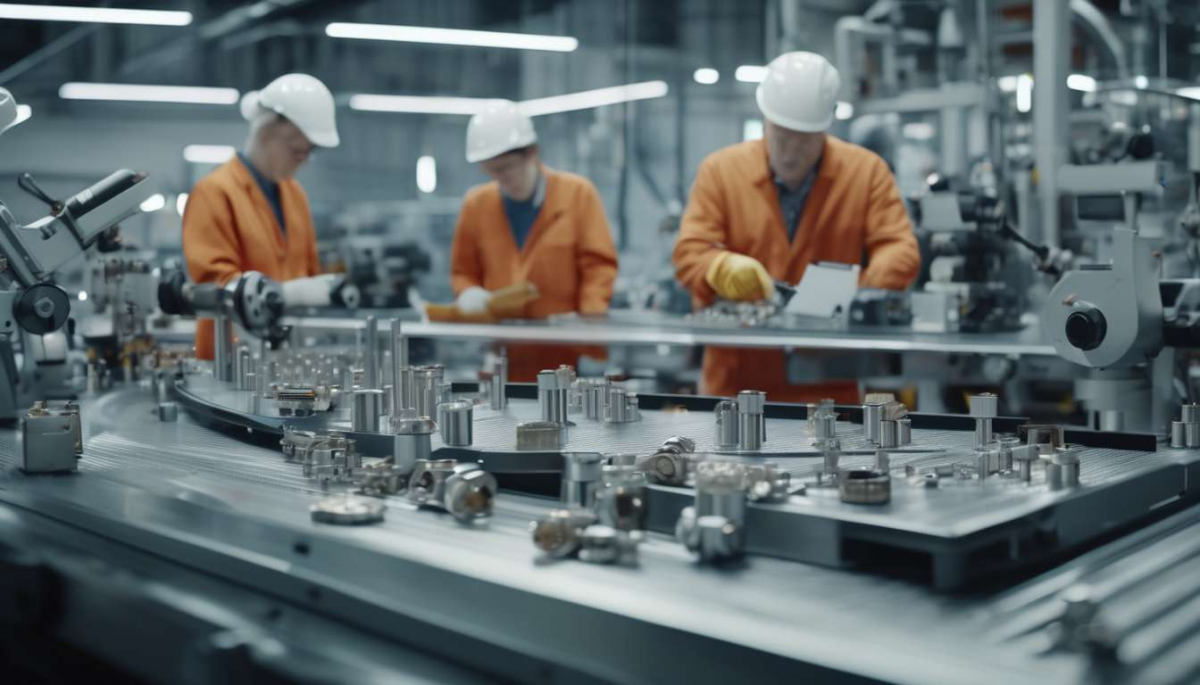
Quality assurance is not an ancillary process but a fundamental component that ensures products meet stringent standards and specifications, safeguarding consumer safety and company reputation. By systematically identifying and rectifying defects at various stages, it:
- Minimizes waste
- Reduces the likelihood of costly recalls and reworks
Additionally, as global competition intensifies and customer expectations rise, companies that prioritize quality assurance are better positioned to achieve:
- Sustained growth
- Market leadership
Recent innovations in quality management systems and automation technologies further underscore the significance of quality assurance. They offer manufacturers robust tools to:
- Maintain precision
- Uphold standards
Understanding the indispensable nature of quality assurance is crucial for aligning production strategies with business goals in a competitive industrial landscape.
Atlas Copco exemplifies this commitment to quality assurance by continuously integrating advanced technologies to enhance their manufacturing processes.
Enhancing Efficiency and Reliability
Quality assurance in manufacturing significantly boosts efficiency and reliability by streamlining processes and minimizing errors. This approach ensures that each stage of production aligns with predefined standards, reducing the possibility of defects and enhancing overall output quality.
Implementing automation technologies plays a crucial role in achieving such efficiency. Automated systems not only accelerate production rates but also maintain consistent quality, thereby fostering a dependable manufacturing environment.
Safety is another critical component enhanced through quality assurance. By adhering to rigorous safety protocols, manufacturers:
- Protect their workforce
- Minimize the risk of accidents
This commitment to safety cultivates a secure working environment, thereby enhancing employee morale and promoting a culture of mutual respect and belonging.
Moreover, quality assurance practices foster a sense of reliability among stakeholders, including employees, suppliers, and customers. By ensuring that products consistently meet specifications, manufacturers can build trust and loyalty within their networks. Ultimately, this contributes to long-term success and a strong sense of community within the industry.
Safeguarding Consumer Safety
Quality assurance processes rigorously safeguard consumer safety by ensuring that products consistently meet stringent safety standards before reaching the market. These processes prioritize efficiency and safety, crucial elements in maintaining consumer trust and fostering a sense of community among manufacturers and consumers.
Automation in Quality Assurance
By integrating automation into quality assurance, the manufacturing industry enhances its ability to conduct thorough inspections and tests, thereby improving the consistency and reliability of safety checks. Automation reduces human error, leading to a more efficient identification of potential safety hazards.
Advanced Technologies and Real-time Monitoring
The implementation of advanced technologies in quality assurance allows for:
- Real-time monitoring
- Swift corrective actions
This ensures that safety issues are addressed promptly. This proactive approach not only protects consumers but also reinforces the reputation of manufacturers as responsible and reliable entities.
Importance in a Competitive Market
In a competitive global market, maintaining high safety standards through efficient quality assurance processes is vital for building and sustaining consumer confidence. By prioritizing safety, manufacturers contribute to a safer, more connected industry environment.
Minimizing Waste and Costs
Effective quality assurance practices significantly reduce waste and operational costs by identifying defects early in the production process. The integration of these practices ensures that resources are utilized efficiently, fostering a culture of precision and reliability.
By implementing rigorous quality checks at each production stage, potential issues are addressed promptly, minimizing the likelihood of costly recalls or rework. This proactive approach not only supports financial stability but also enhances the overall efficiency of manufacturing operations.
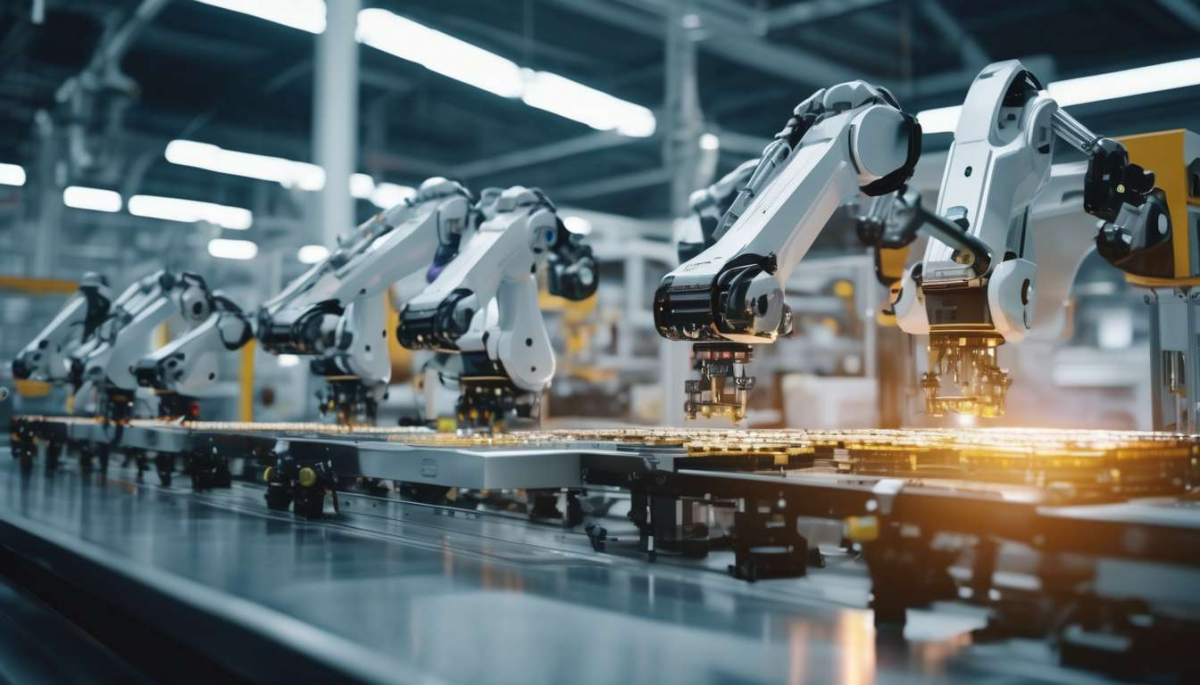
Automation plays a pivotal role in minimizing waste and costs. Advanced automated systems streamline processes, reducing human error and ensuring consistent quality standards. By leveraging technology, manufacturers can:
- Maintain high safety levels
- Optimize resource allocation
The seamless integration of automation into quality assurance processes fosters an environment of continuous improvement, where efficiency is paramount.
A commitment to quality assurance cultivates a sense of belonging among stakeholders, aligning them with a shared vision of excellence. This collaborative effort strengthens operational frameworks, contributing to the industry’s long-term viability.
Achieving Sustained Growth
Robust Quality Assurance Practices
Robust quality assurance practices lay the foundation for sustained growth by consistently delivering high-quality products that meet or exceed customer expectations.
Key Focus Areas in Manufacturing for Sustained Growth
In the manufacturing sector, achieving sustained growth requires a focus on:
- Efficiency
- Safety
These ensure that operations run smoothly and products are reliable.
Enhancing Operational Efficiency
Quality assurance processes enhance operational efficiency by:
- Identifying and addressing potential defects early
- Reducing rework and waste
This proactive approach not only safeguards customer satisfaction but also strengthens brand reputation within the industry.
Safety as a Pivotal Component
Safety remains a pivotal component of quality assurance. It:
- Protects the workforce
- Ensures compliance with regulatory standards
A commitment to safety within manufacturing processes fosters a secure environment, encouraging a sense of belonging and trust among employees and stakeholders alike.
Automation in Quality Assurance
- Automation streamlines processes, allowing for more consistent product evaluation.
- It minimizes human error.
By integrating automation technologies with traditional quality assurance practices, manufacturing companies can achieve a harmonious balance of efficiency, safety, and sustained growth.
Embracing Automation Technologies
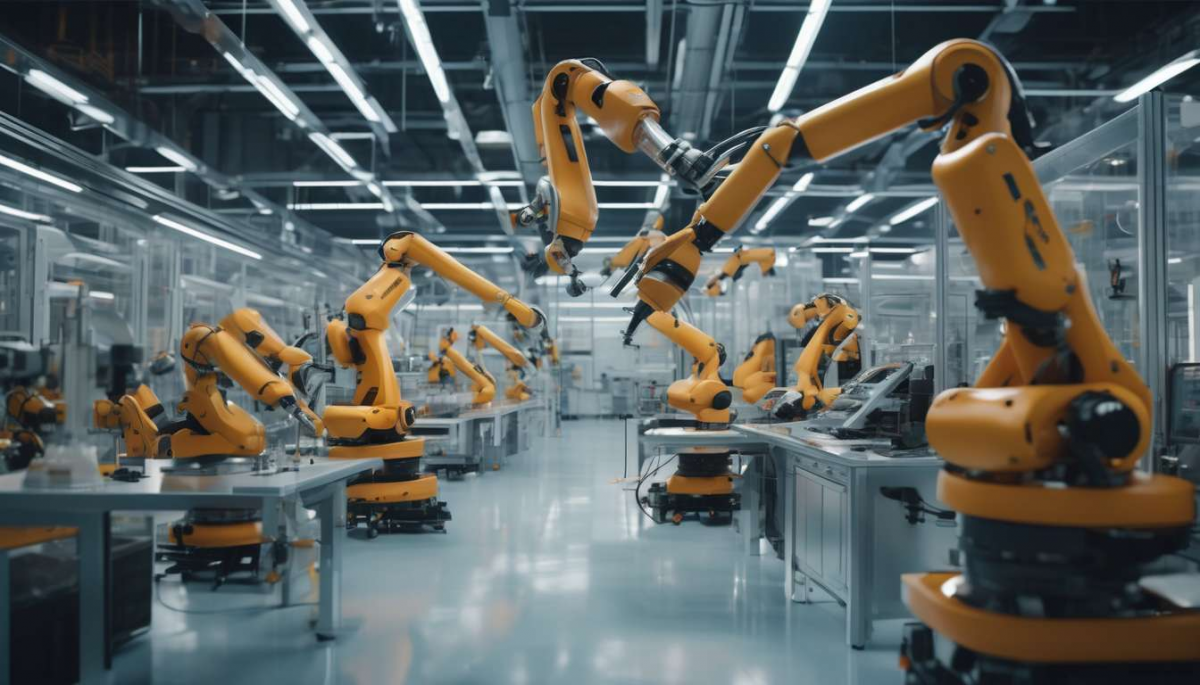
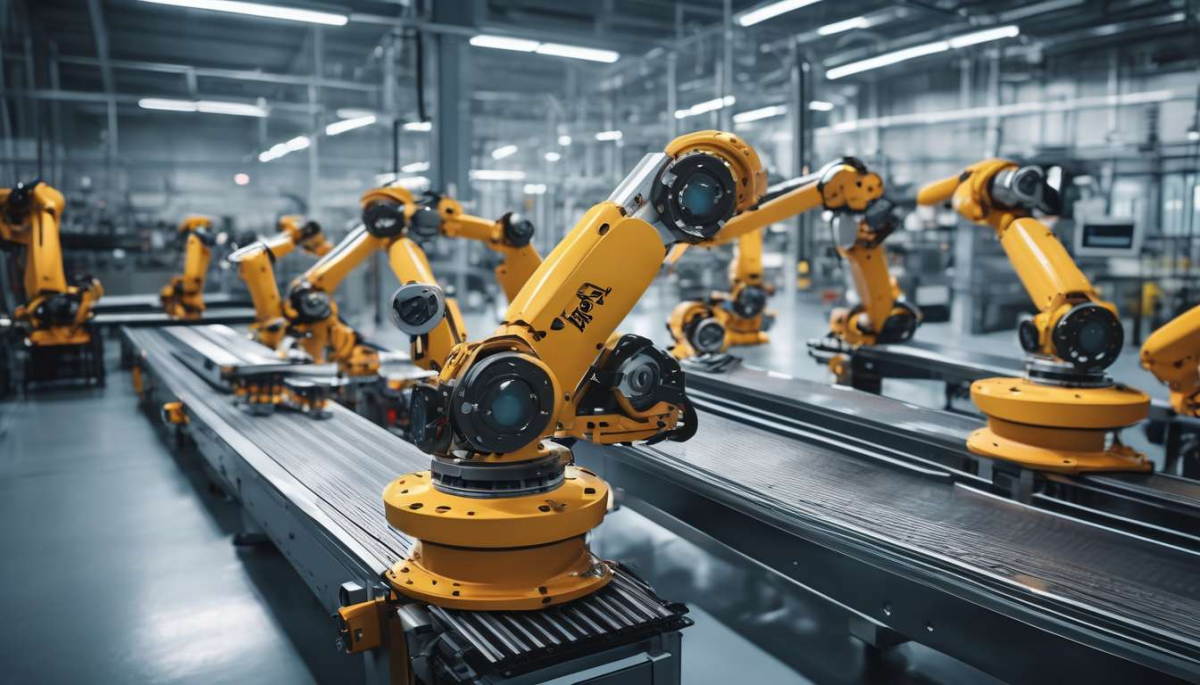
Manufacturers increasingly embrace automation technologies to enhance quality assurance and drive competitive advantage. Automation streamlines production processes, resulting in improved efficiency and consistency in product quality. By implementing automated systems, manufacturers:
- Minimize human error
- Reduce waste
- Increase throughput
These technologies enable precise monitoring and control, ensuring each product meets stringent quality standards.
Safety is significantly enhanced through automation. Automated systems perform hazardous tasks, reducing the risk of injury to workers and ensuring compliance with occupational safety regulations. The integration of automation fosters a safer working environment, which is a critical component of a company’s reputation and workforce satisfaction.
Automation also facilitates real-time data collection and analysis, allowing manufacturers to identify and rectify quality issues promptly. This proactive approach not only improves product quality but also strengthens customer trust and loyalty.
As the manufacturing industry evolves, embracing automation technologies proves essential in:
- Maintaining efficiency
- Enhancing safety
- Achieving a sustainable competitive edge in the marketplace.
Aligning Production with Business Goals
Aligning Production Processes with Business Goals
Aligning production processes with business goals ensures that manufacturing operations directly contribute to the company’s overall strategic objectives and long-term success.
Key Focus Areas:
-
Efficiency
- Minimizes waste.
- Ensures effective utilization of resources.
- Aligns with financial targets and sustainability goals.
-
Safety
- Safeguards the workforce.
- Maintains operational continuity.
- Reduces downtime and associated costs.
-
Automation
- Streamlines processes.
- Reduces human error.
- Enables real-time monitoring and adjustments.
- Keeps production on track with business objectives.
Benefits of Implementing These Strategies:
- Fosters a cohesive environment where employees feel valued and invested in the company’s success.
- Creates a shared commitment to business goals, enhancing the sense of belonging and purpose among the workforce.
- Drives the company towards achieving its strategic milestones.
- Secures a competitive edge in the market.
By focusing on these areas, manufacturers can optimize resources, enhance productivity, and ensure that their operations align with the company’s overall strategic objectives.